Makeup can feel overwhelming when you’re just starting out. With so many products, tools, and tutorials out there, it’s easy to feel lost. But don’t worry you don’t need a professional kit or a makeup artist’s skills to look amazing.
Whether you’re a total beginner or just looking to refine the basics, this guide will walk you through essential makeup tips that are simple, effective, and beginner-friendly.
1. Start with Skincare
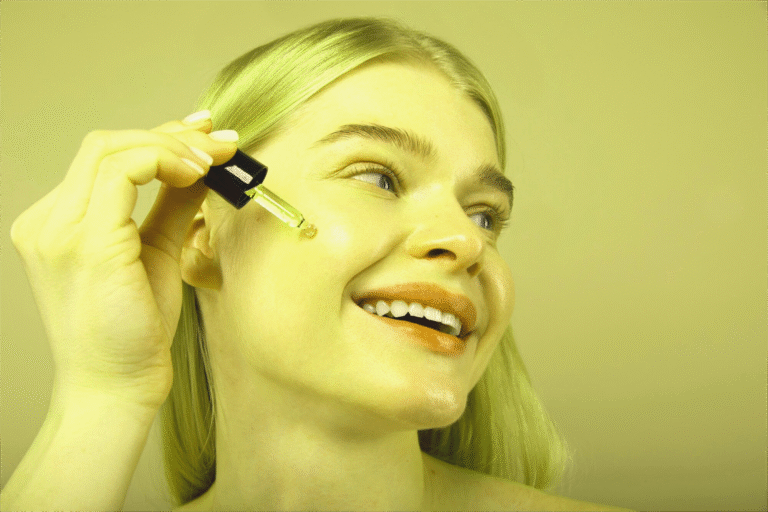
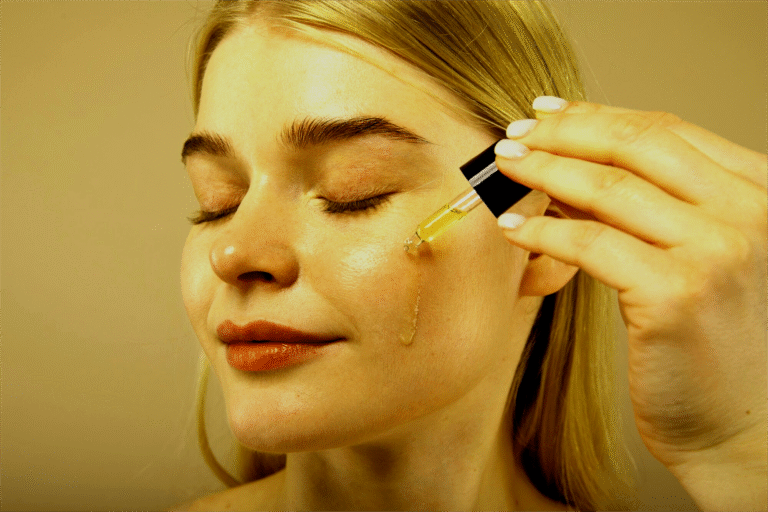
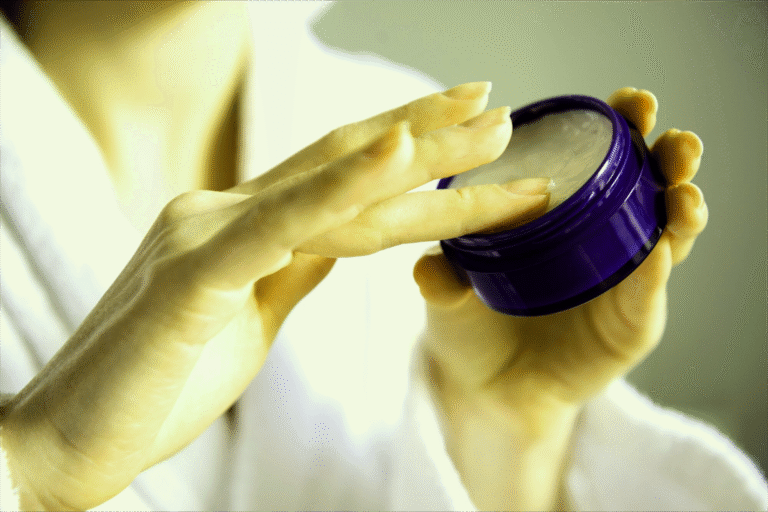
Great makeup starts with healthy, hydrated skin. Cleanse your face, use a light moisturizer, and don’t forget SPF. If your skin is dry or oily, makeup won’t sit properly and may fade or crack throughout the day. A smooth, moisturized canvas makes a world of difference.
Pro tip: Use a primer after skincare to help your makeup last longer and look smoother.
2. Choose the Right Foundation Shade
Foundation can either make or break your entire look. The key is to choose a formula and shade that match your skin type and undertone. Always test foundation on your jawline, not your hand, and check it in natural light.
-
Oily skin? Go for matte or oil-free formulas.
-
Dry skin? Try hydrating or dewy foundations.
-
Not sure? Start with a light coverage BB cream or tinted moisturizer.
3. Use Concealer Only Where Needed
Don’t treat concealer like foundation. Use it to spot-conceal blemishes, redness, and dark circles. Choose a concealer that’s one shade lighter for under the eyes, and one that matches your foundation for spots.
Apply gently using your ring finger or a small brush, and blend well.
4. Invest in a Few Quality Brushes or Sponges
You don’t need a full brush set. Start with the basics:
-
Foundation sponge or brush
-
Blending brush for eyes
-
Blush or powder brush
Keep them clean! Dirty brushes can lead to breakouts and streaky makeup.
5. Go Light on Powder
Powder helps set your makeup, but too much can make your face look dry or cakey. Use a translucent setting powder and apply a light dusting on oily areas like your T-zone (forehead, nose, chin).
Less is more when it comes to powder, especially for beginners.
6. Define Your Brows Naturally
Full, natural-looking brows frame your face and can elevate your entire look. Use a brow pencil or powder to fill in sparse areas short, hair-like strokes work best. Set your brows in place with a clear or tinted brow gel.
7. Keep Eye Makeup Simple
Start with neutral shades. A light brown in the crease, a soft shimmer on the lid, and a touch of mascara can work wonders. You don’t need dramatic wings or bold shadows right away.
Want to experiment? Try cream eyeshadows they’re easy to apply with just your fingers and blend like a dream.
8. Blush Is Your Best Friend
Blush brings life and color back into your face. Smile and apply it to the apples of your cheeks, blending upward toward your temples.
Cream blushes are great for beginners they’re blendable and look more natural on the skin.
9. Highlight the Right Areas
A little highlighter on the tops of your cheekbones, brow bone, and down the nose can add a soft glow. Avoid going overboard aim for a healthy shine, not glitter overload.
10. Choose a Lip Color You Feel Confident In
You don’t need to start with bold reds. Go for nude, pink, or peachy tones that suit your skin and feel comfortable. Lip tints or glosses are great for a low-maintenance, natural look.
Bonus: Practice Makes Perfect
Don’t stress if your eyeliner isn’t straight or your foundation doesn’t blend perfectly. Everyone starts somewhere. The more you practice, the more confident and skilled you’ll become. Watch tutorials, experiment with products, and most importantly — have fun!
Makeup is about self-expression and confidence, not perfection. Start small, focus on the basics, and gradually build your skills and collection. Remember, the best makeup tip of all is to wear it in a way that makes you feel beautiful.